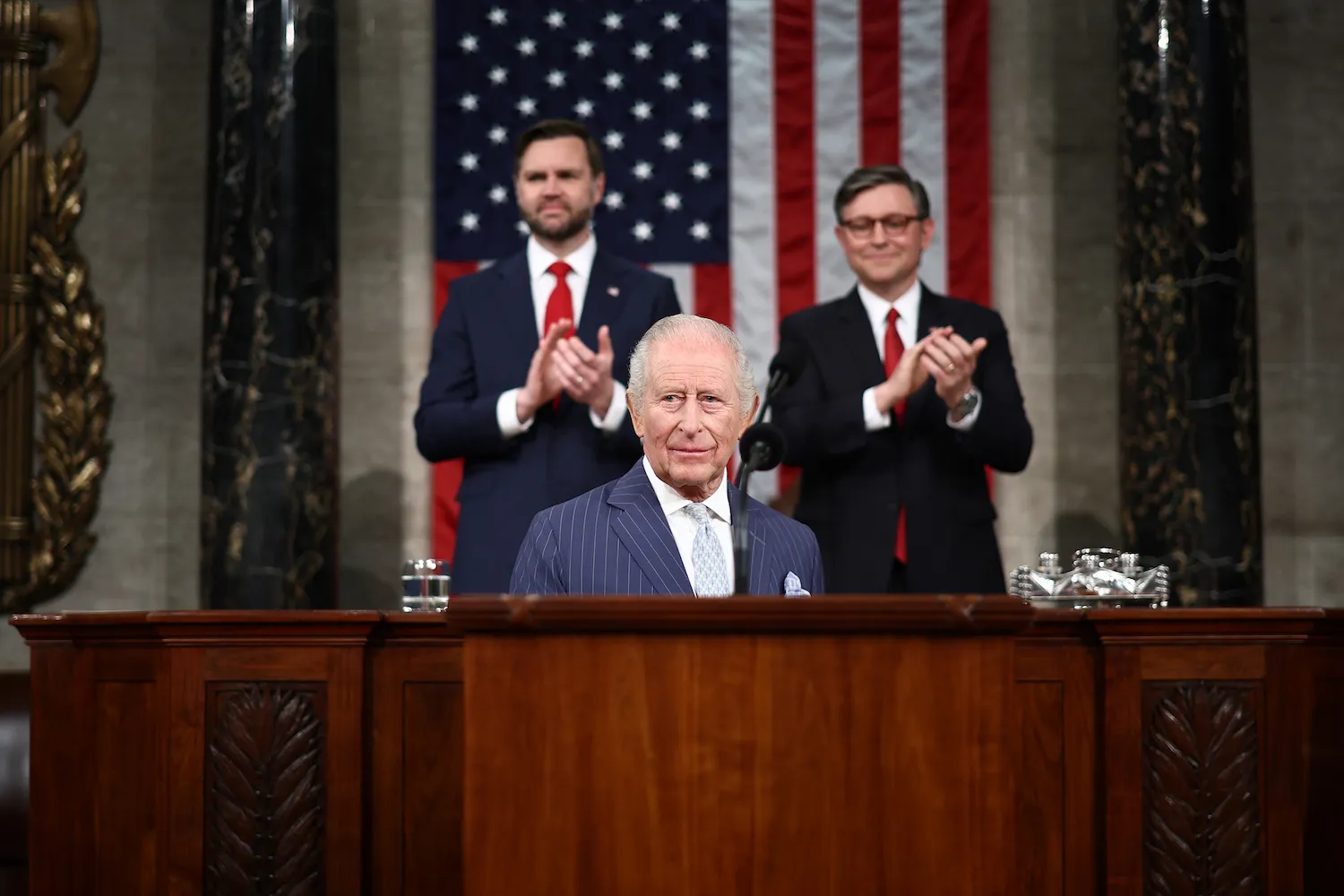

King Charles III Addresses Congress: Five Powerful Takeaways From a Historic Royal Speech
A Royal Visit With High Stakes
King Charles III’s landmark visit to the United States was designed as a celebration marking America’s 250th anniversary and reaffirming the enduring bond between two of the world’s closest allies. But behind the pageantry and pomp lay a far more pressing mission: to repair a relationship showing serious signs of strain.
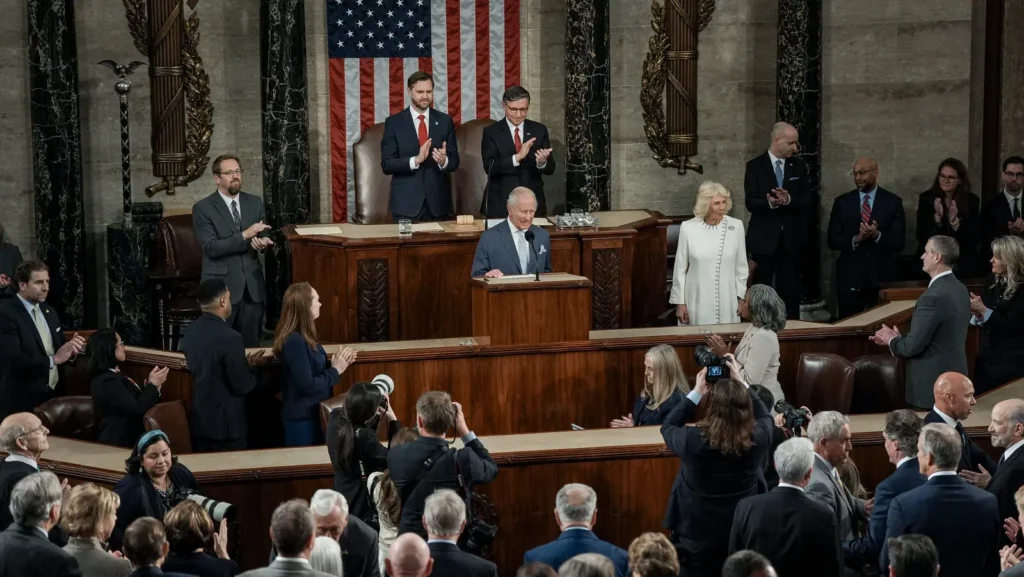
Tensions between Washington and London have been simmering, largely over Britain’s cautious stance on the US-Israeli conflict with Iran. Against that backdrop, King Charles delivered a joint address to Congress only the second time a British monarch has done so, following Queen Elizabeth II’s appearance at the Capitol in 1991. His speech was measured, diplomatic and at times surprisingly pointed. Here are the five most significant moments.
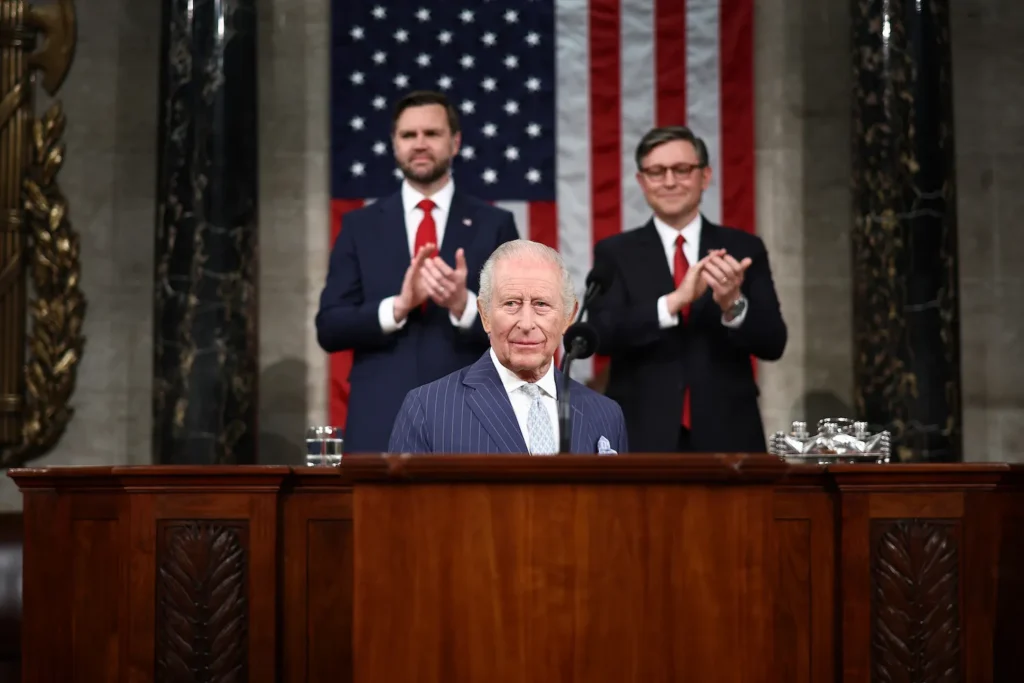
1. Frank Acknowledgement of Difficult Times
Rather than opening with pleasantries, King Charles went straight to the heart of the matter. He acknowledged the “times of great uncertainty” facing both nations, referencing ongoing conflicts in the Middle East and Europe the very issues that have recently divided Washington and London.
He also touched on the threat that political violence poses to democratic institutions, a reference widely understood to relate to recent unrest in the United States. From there, the King offered a diplomatic but candid observation: that the US and UK have not always agreed and that this is perfectly fine. What matters, he argued, is that when the two nations do stand together, the results benefit not just their own citizens but people across the entire world.
2. Subtle Warning About Executive Power
Perhaps the most politically charged moment of the speech came when King Charles spoke about the importance of executive power being subject to checks and balances a principle he traced back to the Magna Carta and forward to the United States Constitution.
The reaction in the chamber was telling. Applause began on the Democratic side before spreading across the room. For many observers, the timing of this remark was significant. Critics of President Trump have spent months rallying under the banner of “no kings” a movement that has drawn hundreds of thousands of protesters across the country. Whether intentional or not, the King’s words landed squarely in the middle of one of America’s most heated political debates.
His closing line that America’s actions carry weight and meaning for the entire world prompted a similarly divided reaction, with Democrats appearing to interpret it as a pointed message directed at the current administration.
3. Clear Defence of NATO and the Transatlantic Alliance
In a moment that will have resonated deeply with European allies, King Charles invoked the memory of the September 11 attacks — the only occasion in history when NATO’s collective defence clause was formally triggered. The reference came amid ongoing criticism from President Trump, who has publicly mocked the British Navy, describing its vessels as “toys” and questioning the reliability of its aircraft carriers.
The King, who served five years in the Royal Navy, responded with quiet dignity. He used his military service as a platform to highlight the depth of intelligence and security cooperation between the United States and its European partners. He also managed to weave in a reference to climate change a cause he has championed for decades linking the melting Arctic ice caps to the broader mission of NATO and the shared responsibility of allied nations.
4. Silence on the Epstein Question
One of the most closely watched questions ahead of the speech was whether the King would address the Jeffrey Epstein scandal — a saga that has cast a long shadow over the British Royal Family, particularly given the involvement of Prince Andrew and former UK ambassador Peter Mandelson.
He did not address it directly. The closest he came was a passing reference to the need to support victims of societal ills that affect both countries. For survivors and campaigners who had urged the King to meet with Epstein victims during his US visit, that brief acknowledgement is likely to feel deeply insufficient. With Congress having recently mandated the release of government files related to the Epstein investigation over White House objections the full story is far from over, and the pressure on the Royal Family shows no signs of easing.
5. Welcome Dose of Royal Wit
For all the diplomatic weight of the occasion, King Charles made sure to leaven his speech with genuine humour. He opened with Oscar Wilde’s celebrated observation that Britain and America share everything in common except, of course, a language. He joked about the centuries that separate British and American history, reassured his audience that he had no intention of reestablishing British rule, and drew laughter with a reference to the parliamentary tradition of holding a member of the House of Commons “hostage” during a royal address — wondering aloud whether any member of Congress had volunteered for the role.
The moments of levity served their purpose well. In a room charged with political tension, the King managed to disarm, charm and at least for one afternoon remind both nations of why their friendship has endured for so long.
Speech That Will Be Remembered
King Charles arrived in Washington with a delicate task: to strengthen a relationship under pressure without wading too deeply into American domestic politics. By most accounts, he walked that line with considerable skill. Whether his words translate into warmer relations between the two governments remains to be seen but as a piece of royal diplomacy, Tuesday’s address to Congress will be long remembered.
Photos credit : White House